Search This Blog

Loading...
Which cinematic movement should I explore with a blog series?

Tuesday, May 15, 2012

German Expressionism: Vol. 3


The German Expression movement began before WWI and gained momentum in the 20’s and 30’s. It influenced architecture, painting and cinema. This movement gave surrealistic shape and structure to forms that reflect psychological states. This is evident in the extreme contrast of light and dark, the use of reflective surfaces and abstract optical tricks and even anthropomorphism.

Vol. 3 – The Blue Angel (1930) – This story centers around Professor Rath (Emil Jannings) who gives up his prestigious post at the local university to pursue a lusty cabaret singer, Lola Lola (Marlene Dietrich). His subsequent downfall away from the bourgeois lifestyle and into the lower class seems sure to end only in his demise. This film is also very significant in that it is the first major German sound film and the first collaboration between Director, Josef von Sternberg and Actress, Marlene Dietrich. Their later collaborations would include “The Scarlett Empress”, “Shanghai Express”, “The Devil is a Woman” and several others.

This film is unique in the cannon of expressionism. First of all, the beginning of the story feels much more like a slapstick semi-romantic comedy than you would be accustomed to from the likes of Lang, Pabst or Murnau. Because… you know… we all know how funny and romantic the Germans were in the 1930’s. The character of Rath is ridiculed and taunted by his students, his maid and even a lowly magician. He quickly finds himself the proverbial “bull in the china shop” as he blunders around backstage at the cabaret. At one point he even walks backwards down a spiral staircase. And it’s hard not to take note of Lola Lola’s cackling laughter when he asks for her hand in marriage. All of this being said: this film still showcases many of the tropes of expressionism. Stark contrasts between light and dark, abstract camera angles and lots of reflection shots paint the canvas of this moral tale.

The light and dark of this film actually work in somewhat of an inverted way than what we’ve come to expect from most other films of this movement. As the film begins, we find Professor Rath living a dark existence. He lives in a dimly lit flat and seems to timidly lurk through the shadows of the world outside of his profession. When he meets Lola Lola, she is a bright ray of light, warm and inviting. Instantly smitten, he finds out in due time that all that glitters is not gold. His own demise seems to be directly related to the amount that he pursues this radiance.  The final act epitomizes this relationship. His wife’s betrayal comes at his lowest moment, his first time on stage, the ridiculous buffoon, under the warming glow of the spotlight.


 If you haven’t seen this film, and maybe you’ve avoided the previous installments in this series because of some sort of allergy to silent cinema, I would suggest you check it out. It’s currently available on Netflix Watch Instantly.


Enjoy.

Saturday, May 12, 2012

German Expressionism: Vol.2


The German Expression movement began before WWI and gained momentum in the 20’s and 30’s. It influenced architecture, painting and cinema. This movement gave surrealistic shape and structure to forms that reflect psychological states. This is evident in the extreme contrast of light and dark, the use of reflective surfaces and abstract optical tricks and even anthropomorphism. 

Vol. 2 – Nosferatu (1922) – Transylvania’s Count Orlok (Max Schreck) is in the market for some new real estate in Wisbourgh, Germany. Hutter (Gustav Von Wangenheim) is sent out to his castle to appropriate the deal for a home near his own house. Then things start to get weird. On his journey to the castle, the locals seem afraid to help him; he gets bit on the neck by two “mosquitos really close together” and constantly feels the presence of a dark shadow looming over him. The count then becomes obsessed with Ellen (Gretta Schroder), Hutter’s wife and her beautiful neck and decides to buy the property and become neighbors… Ok you get the point; it’s an adaptation of Bram Stoker’s Dracula or a really original prequel to Joe Dante’s “The Burbs”.


Similar to “Metropolis”, this film could definitely be considered a staple in the German Expressionistic movement. Director F.W. Murnau uses superimposed images, color tinted negative images and obscure camera angles to add more disorientation and overall surrealistic tones to the film. It is this composition of shots that makes this Nosferatu one of the most memorable and discussed films of all time. You may have never seen it but I can almost guarantee that you’ve seen clips from this film. It may have been the moment Count Orlok’s shadow climbs the staircase. Or it could be the image of him first entering Hutter’s room in the castle, stiff like some sort of a zombie rat walking straight towards the camera. My favorite is the shot of him rising from his casket, again stiff as a board, ascending 90 degrees without moving a muscle.

It’s also worth noting that: although Murnau is rightfully considered one of the Fathers of the German Expressionism movement, he wasn’t strictly a surrealist. The line between imagination and reality for him was thin and jagged. As he said:

“I like the reality of things, but not without the fantasy – they must dovetail. Is that not so with life, with human reactions and emotions? We have our thoughts and also our deeds.”

I highly recommend this film to anyone who is interested in the movement or in the history of cinema in general. I would probably say that any film that is considered to epitomize the German Expressionism movement is also very important to film history as a whole. After all, we are talking about a time in which cinema was at the very beginning of defining itself as its own art form and these films were just as much about experimentation and testing the limits of the medium as they were about their own subject matter.

I will also mention that this film is open source so feel free to download a copy. There's a pretty good one here. It is also available to stream on Netflix and Hulu so you really have no excuse.


Enjoy.
(proofread by Dolly Karma)

Tuesday, April 17, 2012

German Expressionism: Vol.1


The German Expression movement began before WWI and gained momentum in the 20’s and 30’s. It influenced architecture, painting and cinema. This movement gave surrealistic shape and structure to forms that reflect psychological states. This is evident in the extreme contrast of light and dark, the use of reflective surfaces and abstract optical tricks and even anthropomorphism.

Vol. 1 – Metropolis (1927) – This story takes place in a futuristic city in which the divide between the ‘haves’ and the ‘have nots’ could not be more stark. The working class is completely subservient to the city planners. Freder, the son of the city’s highest ranking planner falls in love with a Maria, a prophet from the underground workers. Maria strives to join the “hands” – the workers with the “head” – those who have the power. All she and the city needs is a mediator between the two, someone to act as a heart.

There is a reason that I wanted to start this new series after I finished with my last Neo-Noir of the 90’s series. And more specifically, I wanted to talk about this film after “Dark City”, my last entry into that series. As I mentioned, “Dark City” is very highly influenced by this film. In truth, the entire Noir movement as we know it from the American films of the 40’s and 50’s are highly influenced by the German Expressionism films from earlier in the century. In fact, some of the most highly respected filmmakers of the American Noir films were German directors that fled here when Hitler took control of the cinematic industry such as Robert Siodmak (“The Killers”), Billy Wilder (“Double Indemnity”) and the director of this film, Fritz Lang.

 This is definitely considered one of the quintessential films of the German Expressionism movement… and for good reason. The art direction and set design is a whole lot of things. Subtle is not one of them. In this story, Lang has constructed a future that is as oppressive aesthetically as it is thematically. The buildings and roads of the upper city stare down dauntingly with sharp corners and sharp eyes at the lower subjects. The cogs and wheels of the machinery in the lower depths do even more to oppress its inhabitants like an insolent child constantly demanding attention. The cinematography uses abstract angles accenting the structural weight of the set and the editing style bring a chaotic feel to some of the more surreal dreamlike scenes.

This has been one of my favorite films for a long time. A few years ago, a more complete version of the film was found in Buenos Aires with an additional 25 minutes of footage thought to have been lost forever. Kino released this version in 2010 as “The Complete Metropolis”. If you’ve never seen it, I suggest you watch this one. It’s currently available on NetflixWatch Instantly. Restorations like this make me very thankful to live in a time that an 85 year old piece of art can be preserved forever and is so easily accessible. This is a landmark film, not only for its movement but for the entirety of cinematic history and it’s a must watch for those who are interested in learning the complete back story of the films that move them today.


Enjoy.

Saturday, April 7, 2012

Neo-Noir of the 90’s: Vol. 4


From the Greek “neo” for new and the French “noir” for black, Neo Noir is a term used in film and literature. It refers to a genre that primarily uses elements of the film noir movement of the 40’s and 50’s with modern spin on style, themes and sometimes content.

Vol. 4 – Dark City (1998) – John Murdoch (Rufus Sewell) wakes up in a bathtub in a hotel room with a dead hooker in the other room and no recollection of what happened or even his own identity. We follow his investigation into his own past as well as Detective Bumstead’s (William Hurt) investigation into the murders of six women. We very quickly learn that there is more under the surface of this strange city. Mysterious figures in long trench coats and fedoras lurk around in the dark performing strange experiments on the residents with the help of Dr. Schreber (Kiefer Sutherland). 

This is not the only or even the first time that a sci-fi story has been told in a noir world. Ridley Scott adapted Philip K. Dick’s novel, “Do Androids Dream of Electric Sheep” in 1982 as “Blade Runner”. Even French New Wave has taken a crack at this in 1965 with Jean-Luc Goddard’s “Alphaville”. “Dark City” however is probably my favorite blend of the two. It’s not the perfect film. Some of the film’s logic is a bit flawed but you probably won’t notice them until multiple viewings.

The reason I love this film has a lot to do with how derivative it is. The classic noir style is seen in the costumes and lighting; the plot unfolds in the shadows and faces are often hidden behind the brim of a fedora. William Hurt’s performance is also very inspired by the detectives of the 40’s and 50’s films. No matter how hectic or bizarre the case gets, he always has time to give the appearance of the jaded and tired detective. He exclaims “Give the man an A for effort” as his colleague counts the dead hookers. Later he will sigh “No one ever listens to me” as Murdoch leaps down a flight of stairs to escape. This type of character has been around for a long time. It’s used to overstate the seediness and darkness of the setting. Then later, as the case unfolds the detective’s inability to keep his cool will help to illustrate the magnitude of the situation.

“Dark City” does much more than just homage the American noir movement of the past. It also clearly pays its respects to the German Expressionism films from the 20’s and 30’s that the American Noir was created from. This movement used large domineering sets to represent the feelings of the subjects in the story. I won’t reveal the twist but this theme fits perfectly into the plot of the film. This was not Director Alex Proyas’ first attempt at this theme. His earlier film “The Crow” is also very expressionistic the character (and all of Goth culture) is really inspired earlier films like “The Cabinet of Dr. Caligari” (1920). “Dark City” however is much more inspired by Fritz Lang’s 1927 masterpiece “Metropolis”, not only in visual style but in plot as well.

I highly suggest at least 2 viewing of this film. First, watch it straight through. Then, watch it again with the Roger Ebert commentary. It’s on both the older DVD and the newest director’s cut DVD and Blu-Ray releases.  This was Ebert’s favorite film of ’98 and he provides one of the best and most informative commentaries I’ve ever listened to. I dare you not to be inspired.

Enjoy.


Thursday, April 5, 2012

Why Staying True to the Source Material Usually Amounts in Betrayal


I’m a cinafile. Anyone that’s kept up with this blog or knows me personally could probably tell you as much but leave it to me to think that it needs more of an explanation. It means more than just being a “movie nerd” or a “film buff”. I’m those things as well but it’s more than that. You see, I don’t read much, I don’t take in plays and I don’t follow television shows or go to art exhibits. I love music but although my collection is somewhat obscure, it’s not what you would call eclectic. I love cinema. It is the artistic expression that speaks to me the most and it is the medium that I would prefer you tell me a story through.

Film is its own art form. It utilizes actors, typically reading from a script but is not a video recorded version of a play. Nor is it a visual telling of a piece of literature although writing is usually a big part of a film. It is an abstract art that is used to express ideas, philosophies and feelings and it is often, but not always used to tell a story. There are many aspects of cinema that make it its own art form but the two that stand out most prominently are cinematography and editing. These are the two pillars of artistic expression that have always assured cinema’s uniqueness. Cinematography and editing are both technical skills and artistic crafts at the same time. The cinematographer is charged with knowing the equipment used in shooting a scene and properly conveying the tone and feel of that scene. The editor deals with the technical aspects of post production and is also very influential in the overall artistic tone, feel and pace of the film. It is their job to use their skills and artistic input to properly convey the vision of the director to the final piece of art.

All of this being said, a very large number of films are based on previously created properties; much of this is literature. Just in the past few years we’ve seen some very popular lit adapted to the big screen including:” Harry Potter”,” Twilight”, “The Girl with a Dragon Tattoo”,” The Watchmen” and now “Hunger Games”. Inevitably, when a new film is coming out that’s based on works as popular as these; you will hear the same questions and concerns arise from the fan base of these books. Among these questions seems to always be: “Is the film going to stay true to the book?” This is a question that the fans of literature absolutely have the right to ask and their concerns are usually pretty understandable. The problem is that what we sometimes end up with is the literary community dictating a piece of cinema. And no matter what anybody tells you, words on a page are never cinematic. They may have the potential to be so someday. But until the scenes are shot and cut, the cinematic telling of that story doesn’t exist.

Peter Benchley wrote a book inspired by a rash of shark attacks on the New Jersey shoreline. Later, Steven Spielberg would direct a cinematic adaptation of this book and effectively change the film industry forever. He created the first summer blockbuster but he most certainly didn’t do it by staying true to Benchley’s book. “Jaws” is one of the finest, most groundbreaking and exciting films ever made and it left a permanent watermark on cinematic history. It happens to be based on a very long book about a shark that eventually dies from exhaustion or something. It’s very anticlimactic.

David Fincher’s “The Social Network” is another great example. I’m not sure (nor do I care) how good the book is but what Fincher and screenwriter Aaron Sorkin created is pretty amazing. Fincher’s editing style is always noteworthy but especially in this film. This story contains two separate timelines telling the entirety of the back-story through flashbacks…. That’s three timelines. The only reason that this is not the most confusing film ever made is because of how smooth and coherent the editing is. Trent Reznor’s score is just the icing on the cake.

In contrast, Stephen Daldry made an Oscar nominated film a few years ago based on “The Reader”. The story is compelling and the acting was great but I still left the film with the feeling that I would have gotten much more from the book. Ultimately, the film was pretty good but with that story, it probably could and should have been great. Unfortunately, the film was just not very cinematic. A lot of the scenery was very beautiful but there is so much more to cinematography than shooting a picturesque scene. And the scenes were cut together in a very straightforward way. In short, no risks were taken to insure the film could be seen as its own piece of art.

What’s that you say?... You want me to write more about Zack Snyder and why he’s my least favorite filmmaker?... Well… Ok… Just for you… “300” and “The Watchmen” are my two favorite examples of what a filmmaker shouldn’t do. These movies are the perfect examples of the difference between a cinematic adaptation of source material and a movie version of a book. These films steal their aesthetic from the novels to the point that you never really see Snyder’s vision on screen. He has no artistic input and the films feel as though they are not connected to him. I’ve heard “300” called visionary. This may be true; it’s just Frank Miller’s vision, not Zack Snyder’s.  I always chuckle to myself when I think about him in preproduction, thinking he’s being very clever. “Storyboarding? We don’t need to storyboard; I just cut out the pages from the novel and pasted them to this poster board…”
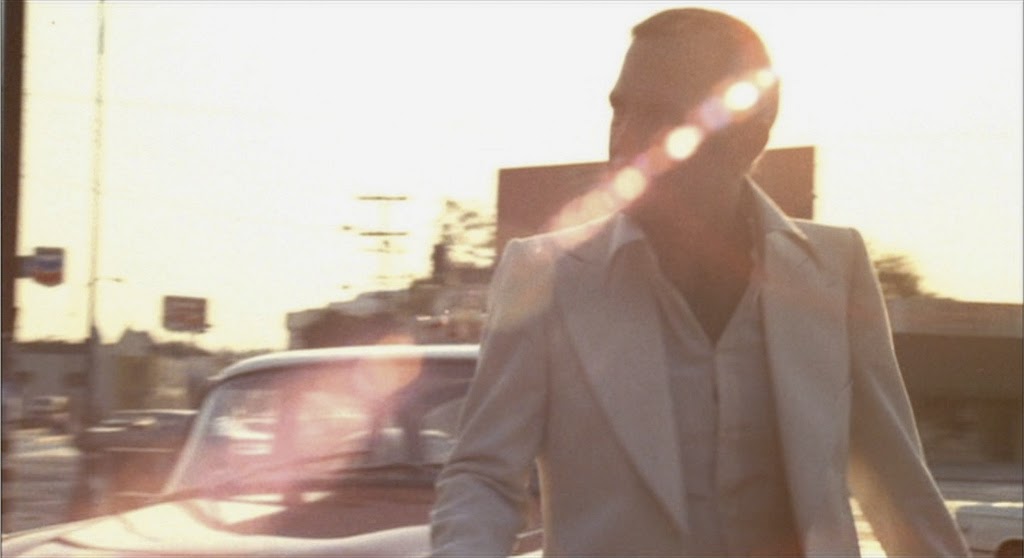

Sometimes, as is in the case of period pieces and biopics, the source material is historical fact. It is just unnecessary in these cases to stay true to historical accuracy. Quintin Tarantino made a masterpiece in 2009 called “Inglourious Basterds” without any regard for historical accuracy. He didn’t even find it necessary to spell it correctly. This film took liberties with a subject matter that many think was off limits. He chose rather to rewrite history and give us the prequel to the Tarantino world that many of us cinefiles have been living in since the early 90’s. The end result was a 160 minute love letter to cinema and my favorite film from the past decade.   


Filmmaking is not an easy profession to get into. If it was, I would be too busy making a film to write this blog. Just like any other art, those who can do it professionally have an enormous amount of passion for their medium. These people have typically grown up with the art form and developed a love for it largely because of those who have come before them. They are all fellow cinefiles. And excuse me if I sound a bit entitled but, I (we) should be your target audience. Why not make films for film lovers? Although the filmmaker will many times feel that it is his job to do the source material justice; after all, it is the piece of art that inspired the film in the first place. That source material will always be justified by a great piece of inspired cinema…. and never by a bad movie…. No matter what Stephen King thinks. 


Monday, April 2, 2012

Neo-Noir of the 90’s: Vol. 3

From the Greek “neo” for new and the French “noir” for black, Neo Noir is a term used in film and literature. It refers to a genre that primarily uses elements of the film noir movement of the 40’s and 50’s with modern spin on style, themes and sometimes content.

Vol. 3 – Miller’s Crossing (1990) – Anti-hero Tom Regan (Gabriel Byrne) is the right hand man to Irish crime boss, Leo (Albert Finney) in this prohibition era gangster tale of a series of crosses and double crosses. Control of the city is being fought over between Leo’s gang and Johnny Caspar’s (Jon Polito) Italian family. The police are pawns in the game and gambling and alcohol are the king and queen in this world. We follow our hero getting himself in and out of certain peril. The skin of his teeth seems to constantly fit into his plan… if he actually has one.

This is my favorite film by the Coen Brothers which puts it in the running for my favorite film period. I’ve certainly watched it more times than anything else. And I’ve never tired of it. I mentioned in my post about Se7en that I think that that films possibly suffers a little from overexposure. This is another film that is commonly seen on Saturday afternoons on basic cable. In contrast however, this is the type of film that can be enjoyed on many more levels. On one hand, the finely crafted dialogue of the Coens combined with great performances by Byrne, Finney, Marcia Gay Harden, John Turturro and Jon Polito photographed magnificently by Barry Sonnenfeld makes for a great art flick… On the other hand, this film blends matter of fact violence with dark humor so well that you can separate the entire film into a whole bunch of really cool parts. I can watch this film alone in the dark analyzing every frame as though it was my favorite homework assignment. Or, I can zone in and out of it some lazy afternoon in my living room while I’m checking my fantasy team and helping the kids with their homework.

This film takes much of its noir queues from the setting that the story takes place. Prohibition era gangster stories have been the backdrop for pulp novels and films since they were told in the present tense and you find all of the classic tropes in this film. Double crosses, gambling, drinking, fighting, hats and of course the femme fatale all play a major role in this intricately woven tale. And less we forget the scheming anti-hero. Tom Regan is the perfectly unreliable narrator. We’re never quite sure who’s interest he truly has at heart or even if he has one. 

This film also contains what is probably my favorite frame in any film ever. I flat out love this shot. It’s simple enough. An old man with a crooked toupee is leaning against a wall in an alley while a young boy and his dog stare perplexed at him. Out of context, we see what looks like a photographed version of a Norman Rockwell Americana. The underlying darkness only comes from the knowledge that this is actually a depiction of the corpse of a murdered gangster being discovered by an innocent child. This is the type of contrast and matter-of-factness of their scene construction is what the Coen Brothers have been making masterpieces out of for the past 28 years.

Enjoy.


Sunday, March 18, 2012

Neo Noir of the 90's: Vol. 2

From the Greek “neo” for new and the French “noir” for black, Neo Noir is a term used in film and literature. It refers to a genre that primarily uses elements of the film noir movement of the 40’s and 50’s with modern spin on style, themes and sometimes content.

Vol. 2 – Se7en (1995) – This is a film following two detectives desperate to find a serial killer inspired by the biblical 7 deadliest sins.   Brad Pitt plays the role of Detective Mills, the young ambitious cop excited to be on his first murder case. Morgan Freeman is Detective Sommerset, the jaded and broke-down investigator, counting his days to retirement. We follow these two through the investigation, discovering the remains of the killer’s victims one at a time until the climactic confrontation reveals the just how much control the killer really has.

I think this is one of those movies that most people have seen but I’m not sure if it’s properly appreciated. It actually suffers a bit from overexposure. I’d be willing to bet that if you asked most people, the last time they’ve watched this film was on cable some Saturday afternoon and it was edited for content and chopped up between commercial breaks. I’ve seen it that way a few times too. This is what made me want to revisit it. I really wasn’t sure if it still held up. So this time, it was by myself, in the dark on DVD. I almost had to turn it off before the end. I found myself dreading the end that I knew was forthcoming. I think this speaks volumes of a film that can elicit that type of trepidation and anxiety. 

As far as neo noir goes, this is one of the few films that take place in a more modern time. This is a fascinating turn for me. It’s fundamentally a dark, hard boiled police procedural, much like what you would find in a film from the 50’s or 60’s. Although the time and place have been updated, a lot of the look and feel of this film is very expressionistic in the older noir style. Much of scenes are either at night or in a dark room, with light and shadows playing with the audiences’ perception.

 A lot of noir has to do simply with light and shadows. The absence of light creates the dark cracks and crevices that evil lurks. It also creates and overall tone of stark contrast. White and black, light and dark, good and evil are all part of the backdrop. The heroes live not in the gray but simultaneously in both worlds. This is why noir lends itself so well to the brash, crude and jaded cop stories. A life of fighting evil is bound to leave some stains. It’s a story that’s been told many times, this one just does a great job at showing it at its extremes.


Most people have probably seen this film a number of times. Whether you love it or hate it, I think it deserves a second look. This time, take note especially of the visual style of David Fincher’s direction and Darius Khondji’s cinematography. This is a very post-modern film and with any luck, it will inspire you to seek out some of those classic noir films that came before it.


Enjoy.


Sunday, March 11, 2012

Neo Noir of the 90's: Vol. 1

From the Greek “neo” for new and the French “noir” for black, Neo Noir is a term used in film and literature. It refers to a genre that primarily uses elements of the film noir movement of the 40’s and 50’s with modern spin on style, themes and sometimes content.

Vol. 1 – L.A. Confidential (1997) – This film stars Guy Pierce, Kevin Spacey and Russell Crowe as three detectives investigating a murder in a late night coffee shop in the star struck City of Angels in 1953. Each of these men takes their own path to reject the official story and decide to probe deeper into the mystery.

This is one of those films that I re-watch every couple of years, always wondering how it will hold up through the years. As I’ve grown older, I’ve found that I grow out of a lot of films that I appreciated more when I was younger. Most of these films came out in the 90’s; when I was in high school and had no idea why I was in love with cinema. I’m happy to report that I still regard this as a fantastic film and one of the best of its decade. Probably the best thing this movie has going for it is its character’s complexity. Lieutenant Exley, Detective White and Detective Vincennes all have very different motives and are each given a separate arc. It’s hard enough to write a good arc for one character and a lot of films fail miserably at it. The construction and execution of three separate arcs that all lead to the same place, is what sets this film apart.

Most of the noirish elements we see have to do with the period that the story takes place. The costumes, cars, props and even the billboards seen in the cityscape all seem to exist together beautifully. I took special notice of how some of the cars and neighborhood seemed to be much older and rundown than the rest. This type of attention to detail gives the world that is built a more lived in feel.

One of the things however that makes this film a neo noir in my book is Kim Basinger and Danny DeVito’s characters. Basinger plays Lynn Bracken, a high end prostitute that is supposed to look like screen legend Veronica Lake. She’s here essentially to give a ‘hooker with a heart of gold’ spin on an old noir trope: the Femme Fatale. She won the Oscar for Best Supporting Actress for that roll. Devito plays Sid Hudgens, a tabloid writer that makes deals with Detective Vincennes to bust Hollywood’s stars. He perfectly represents the seedy underbelly of a noir world. He has no heart of gold and no arc. His motives are purely selfish. This type of archetypical character is a throwback to the backbone of classic noir.

If you haven’t seen this movie, I highly suggest you watch it. Its rich story and characters are reason alone. If you have seen it, I would say it deserves a second look. This is the type of film that gets better with repeat viewings. Its attention to detail gives you something new to discover and its complex plot will most likely reveal something you had missed or forgotten since your last visit.

Enjoy.


Wednesday, March 7, 2012

Certified Copy Review (Spoiler Filled)

This will be a spoiler filled review but I am pretty confident that this film is fairly spoiler proof. That being said, it is available on Netflix Watch Instantly and I would highly recommend that you watch it before you read this.

I feel as though I recently turned over a new leaf in my life as an appreciator of art. I’m able to find the value in a smaller, quieter and slower film than when I was younger. I no longer dread melodrama. I used to be of the opinion that if something severe or tragic didn’t happen in a story than it wasn’t worth telling. I’m not really sure what happened to me but I seem to have developed the ability to become just as engaged in a small story in recent years.

Certified Copy is Iranian filmmaker, Abbas Kiarostami’s newest movie starring Oscar winner, Juliette Binoche and opera singer, William Shimell. The film begins with author James Miller (Shimell) giving a seminar on his newest book in Tuscany. A woman in the audience (Binoche) gives him her address and they meet up the next day to spend the day together discussing art and the validity of its originality while she gives him a tour of the country-side.

At one point in the film, an observer in a café assumes that the couple is married and Binoche decides not to correct her. Instead, she carries out a long and detailed conversation with the barista about her husband and her unhappy marriage to him. This is the point that the film sparks. The couple spends the rest of the afternoon in the perceived charade of a long relationship. The discussions and arguments are heated and passionate and the details revealed make the audience wonder if there really is something more to these two.

It’s a great credit to the screenplay (also by Kiarostami) that he never tips his hand. If you listen to the conversations closely, all sorts of clues are given. But the more you think about them, all of these clues are circumstantial evidence; leading the audience in both directions simultaneously.

The weight of this film is not in the mystery or whether or not you can properly solve it. The point of this film is that there is validity in the emotions that are brought out by art and love. The originality of a piece of art or the authenticity of a relationship has little bearing on the audience’s response. Isn’t this the nature of any film using actors to portray a love story anyway? We all know that Humphrey Bogart and Ingrid Bergman are not really former lovers trapped in unoccupied Africa. But that doesn’t change the way your heart sinks when you find out that their lives “don’t amount to a hill of beans in this crazy world.” Even this film could be considered pretty derivative. It’s sort of the lovechild of Orson Welles’ “F is for Fake” and Alain Resnais’ “Last Year at Marienbad”.

Are they or aren’t they? Did they or didn’t they? These are a few of the questions you will find yourself asking over the course of this film. The beauty is not in the answers of these questions, but in the revelation that the answers don’t matter. The film was able to elicit an emotional response from you without ever revealing the true nature of the relationship on display.

If a copy of a painting or a sculpture has artistic value, then a copy of a relationship should have an emotional value…. If both of these premises are true, a film about both should be worth its weight in gold. This film explores art and its emotional relationship to its audience and the abstract concept of originality. This film probably makes the best case that true artistic value comes from its audience and not the artist. And the fact that this film says that so with such skill and elegance can only mean that it can’t possibly be true….


Tuesday, March 6, 2012

The Best & Worst in Cinema 2011

I think it’s been a pretty good year. I really couldn’t settle on a definitive list of 10 so I added a few. My list is long winded enough so……

16. The Muppets – This film proves that two out of three really ain’t all that bad. What I mean is that I’m very impressed with how good this film is as a whole when the second act is really pretty bad. There was also a sub-plot that I thought was really weak. With all of these going against it, I’m surprised I loved it as much as I did. I’m sure some of my enjoyment was due to nostalgia, and a lot was due to watching my wife’s face light up every time Ms. Piggie was on screen.


15. A Lonely Place To Die This may not be the most intelligent thriller I’ve seen this year but it more than gets the job done. The trick is that you’re not likely going to notice the plot holes while you’re watching it because you’re too busy trying not to fall off of the edge of your seat. The cinematography is breathtaking in the most literal sense of the word. It’s essentially a long cat n’ mouse chase sequence that takes place on the cliffs of the Scottish Highlands. It also refreshingly builds character pretty well, all things considered. Although some are expended, none are expendable.


14. Attack The Block – I wasn’t quite as in love with this genre flick as a lot of my peers but it did do some great things. The opening scene has a group of gangsters attacking and robbing a defenseless woman. I’m not sure how it does it, but it still manages to get the audience to empathize and cheer for this group of otherwise unlikable hoodlums. I also love the fact that CGI was never overused in this film. It is primarily used to blend the creatures and for backgrounds. The guy in a monster suit always has more gravity than a superimposed rendering.


13. Melancholia – Lars Von Trier has a knack for making beautiful films about ugly subject matters. It’s no wonder that his most beautiful film so far is about apocalyptic depression. I definitely don’t think this is a perfect film. And I had some issues with the way the story was presented. But, this film gets a lot of points from me for its sheer beauty alone.


12. Norwegian Ninja – This may be the least post-modern film I’ve ever seen. I’m not even sure if Director, Thomas Cappelen Malling has ever actually seen a movie. I’m pretty sure his experience lies mainly in old Godzilla films and James Bond trailers. Very appropriately called “…the Rushmore of ninja films”, unique and peculiar are not really strong enough words.


11. 13 Assassins – I think this is probably my favorite Takeshi Miike film to date. Hearing that the final 45 minutes is one epic battle scene made me a bit gun shy. But it ended up coming together amazingly. It was shot coherently and you actually know where the action is coming from and going throughout the entire fight. This is something that most big budget action flicks lack horribly.


10. The Artist – This is a black and white silent film from France featuring a man with a pencil thin mustache and his cute dog. We all know that I’m a sucker for quirk but the reason this film shows up on my list is that at some point, it moves past the novelty. The story and characters are engaging, the acting is phenomenal and the score is great. 


9. Super – 99 percent of this film deserves to be so much higher on my list. It did so much right. This film accomplishes what Kick Ass failed so miserably at two years ago. It’s a self made superhero flick that actually exists in the real world. Its ability to remain grounded and treat the violence with the type of reverence it deserves is what I’ve been looking for. Unfortunately this film contains what should now be referred to as: THE WORST EPILOGUE IN CINEMA HISTORY. I’ve never seen two minutes of film undercut everything the rest of the film was trying to say so significantly. It reeks of studio involvement. Do yourself a favor… towards the end of the movie, when the screen washed red, turn it off…. There’s nothing left for you…

8. The Skin I Live In – It was really great to see Spanish auteur, Pedro Almodovar get back to his creepy side. All of the classic Almodovarisms are present: gender issues, power struggles and strong femininity. But this film gives us something that we haven’t seen from the director in the past 20 years or so, a scare. In fact, the last time we’ve seen anything like this was also the last time he worked with Antonio Banderas in Tie Me Up, Tie Me Down. I’m always excited about new Almodovar, this film just reassured me.


7. Tucker & Dale Vs. Evil – The evil that our two heroes battle in this film are numerous. Stereotypes, psychopaths, hygiene, low self esteem and a whole lot of bad luck all play a part in ruining an otherwise perfectly normal bromantic weekend away. The result of these forces all simultaneously conspiring against the titular characters is the best blend of horror/comedy since Behind The Mask. I’ve seen pure joy on celluloid… and it goes by the name of Tucker……….. & Dale.


6. Rango – It’s a rare occurrence that one children’s film would make my list in any year. This year has two. This is a great animated feature that is clearly in love with the films that have come before it. It’s basically a comedic version of a spaghetti western with nods to Fear and Loathing, Chinatown, Apocalypse Now and many other great films. Cinematographer, Roger Deakins works as a Visual Consultant on this film and it shows. Imagine giving one of the greatest working cameramen the opportunity to design a scene in which his only limitation is his imagination. The camera is infinitesimally small, weighs nothing and can go anywhere… mainly because there is no camera.


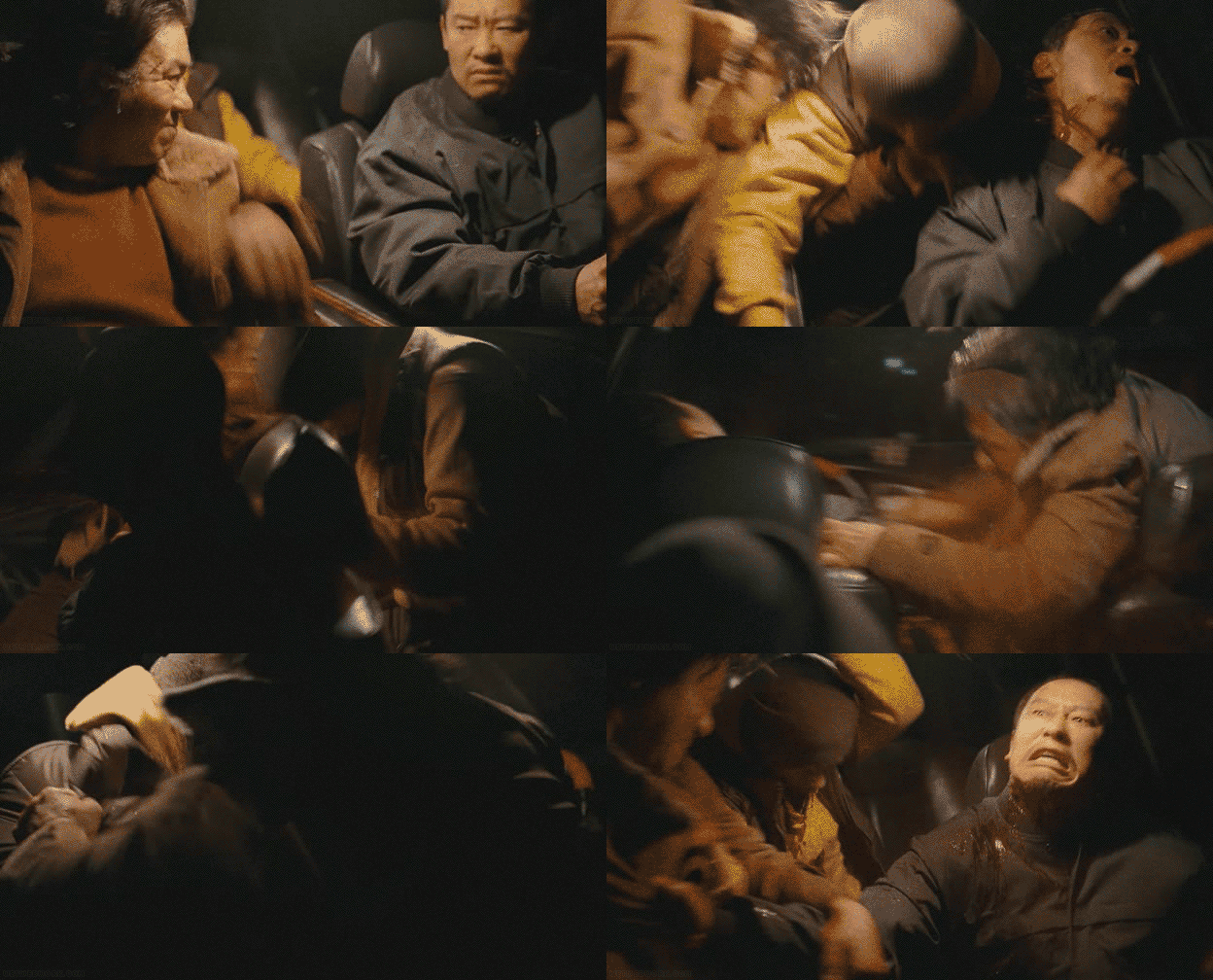
5. I Saw The Devil – This is a Korean revenge thriller that is not for the faint of heart… and that’s saying quite a bit. Director Kim Ji-woon is quickly becoming one of my favorite Korean auteurs. You may remember his western, The Good, The Bad and The Weird made my list last year. Although I don’t think his latest is quite as good as that one, his extremely kinetic shooting style is showcased here very well, especially in a particular shot that takes place inside of a taxi. I would also suggest some of his other previous work like A Tale Of Two Sisters and A Bittersweet Life.


4. Another Earth – In the spirit of Primer and Moon, this film is exactly what I’m looking for in science fiction. The sci-fi aspect of it is used to explore a deeper philosophical subject matter. This film is about regret more than anything else. What if a place existed that occupied a carbon copy version of you; the only difference is that the other you may or may not have made the same decisions that you have. Would you be terrified at the prospect of finding out or would you even be able to help yourself from seeking out the answers to all of those ‘what if’ questions that occupy so much of our attention? I would also add that I’m pretty tired of hearing people refer to this as “Melancholia Light”. The two films share one similarity but are ultimately about very different things.

3. Resurrect Dead: The Mystery of the Toynbee Tiles – Documentaries are strange things to me. I’m never really sure how properly analyze them. It seems like I always end up watching them somewhat begrudgingly. This means that I’m very pleasantly surprised when I find one that l like. This is a great example of what I always want to see from a doc though. It’s about something that is very foreign and obscure to me but obsessed over by the subjects of the film. This was the formula for King of Kongs a few years ago and works even better here. The story plays out like an intricate mystery. And as the audience, we are exposed to the facts using the same timeline that the people investigating the mystery were. This seems so simple, it’s like every episode of Law & Order you’ve ever watched. The difference here is that by the end of the film, you are painted a portrait of a man that is much more telling of his psyche that any interaction or interview may have given us.

2. Take Shelter – Sometimes the beauty of a film is in its isolation. This isolation comes from the perspective of the character that the story is being told from. When the two possible outcomes of the story are apocalyptic doom or total mental collapse, it’s hard to decide which outcome would be worse. Both will lead to the end of the world as we (the audience) know it. This film is tense, depressing and unsettling. It is also hopeful and beautiful and everyone should see it.


1. Certified Copy – I’m not going to say too much about this film here because I’m almost done with my full review. It’s on Netflix Watch Instantly right now so obviously, I highly suggest that you all go watch it. It’s also just been announced as a Criterion Collection release for May so put in your pre-orders now. This film is an extremely layered comment on the nature of art in general and it demands to be talked about. So, watch it tonight then come back and read my full spoiler filled review.


Classic Film Available For the First Time in 2011

The Complete Jean Vigo – This set includes all four films that Jean Vigo made from 1930 – 1934. He died at the age of 29 to tuberculosis. Watching these films leaves no doubt that had he the opportunity for a long career, his name would be up there with Renior, Bunuel and Cocteau. He does things with the camera and editing that revolutionized the art form.


Leon Morin, Priest – My 2nd French film in this category. This one is by my favorite French director, Jean-Pierre Melville. I think Nazi occupied France provides one of the most interesting backdrops for any story. When this story is told by Melville, who was part of the French Resistance, you can bet you’re in for something amazing. Among films about faith, I put this one right up there with Passion of Joan of Arc and Winter’s Light.


From the bottom of the barrel to the bottom of my list – Because I always like to leave on a sour note.

Red State – Kevin Smith’s newest film is a borderline disaster. It has far too many plot points as an attempt to cram as much of his own political beliefs into about 75 minutes of film. It is kind of interesting however as a study of American extremism. Both the left and the right wing in this country are flawed in the sense that: if applied to every situation, the logic folds in on itself in a whirlpool of contradiction. I find it fascinating that an ultra-conservative could have written this exact screenplay, changed the church to a mosque and labeled it “a chilling tale that vividly illustrates America’s need to protect the 2nd amendment and The Patriot Act…” We’ll file this under: Accidentally Insightful.


The Rum Diary – This film wasn’t super horrible but it was by far the most disappointed I’ve been with a film this year. Withnail & I fans (such as me) were excited by the notion of Bruce Robinson directing an adaptation of Hunter S Thompson’s work. On paper, it actually sounds better than Terry Gilliam doing it. Unfortunately, it just didn’t work. Among many other valid criticisms, it was just plain boring.


Sucker Punch – This isn’t so much a film as it is a collection of Zack Snyder’s fetishes all on screen at the same time in a mass of incoherent thought. I’m not even sure where to start. The plot really doesn’t make any sense, the characters are weak and the action doesn’t even look good. CGI and slow motion is a dangerous mixture and he mixed a lot of it. You really shouldn’t have your audience staring at a weightless intangible dragon for any longer than it has to. I think the worst part of this film however, is the fact that Snyder actually thinks of this as a girl power movie… apparently his version of feminism can’t exist without high heels, short skirts and stripper poles. Even Michael Bay’s films are more honest about their sexism. Now, don’t get me wrong, I like sexploitation as much as the next guy. But there’s a reason that I watch Jack Hill movies. At some point, Pam Grier is going to take her shirt off. Those films (for better or worse) are very honest about what they are: exploitation. This film contains hot girls in scantily clad outfits, fighting evil while dancing on poles... All the while, the director clumsily weaves together a ridiculous plot as an attempt to faux insight… The only insight to be gained from this movie is the fact that Zack Snyder has a Sailor Moon fetish.

Share it